Professional Housekeeping Equipment Checklist: Essential Tools for Efficient Facility Management
Professional housekeeping is not just about cleaning a space—it is about maintaining hygiene, safety, appearance and overall workplace standards. Whether it is a corporate office, hospital, hotel, shopping mall, residential complex, school or industrial facility, having the right housekeeping equipment can significantly improve cleaning efficiency and service quality.
A well-planned housekeeping equipment checklist helps facility managers ensure that cleaning teams have the right tools for daily operations. It also reduces downtime, improves productivity and supports consistent hygiene standards.
1. Floor Cleaning Equipment
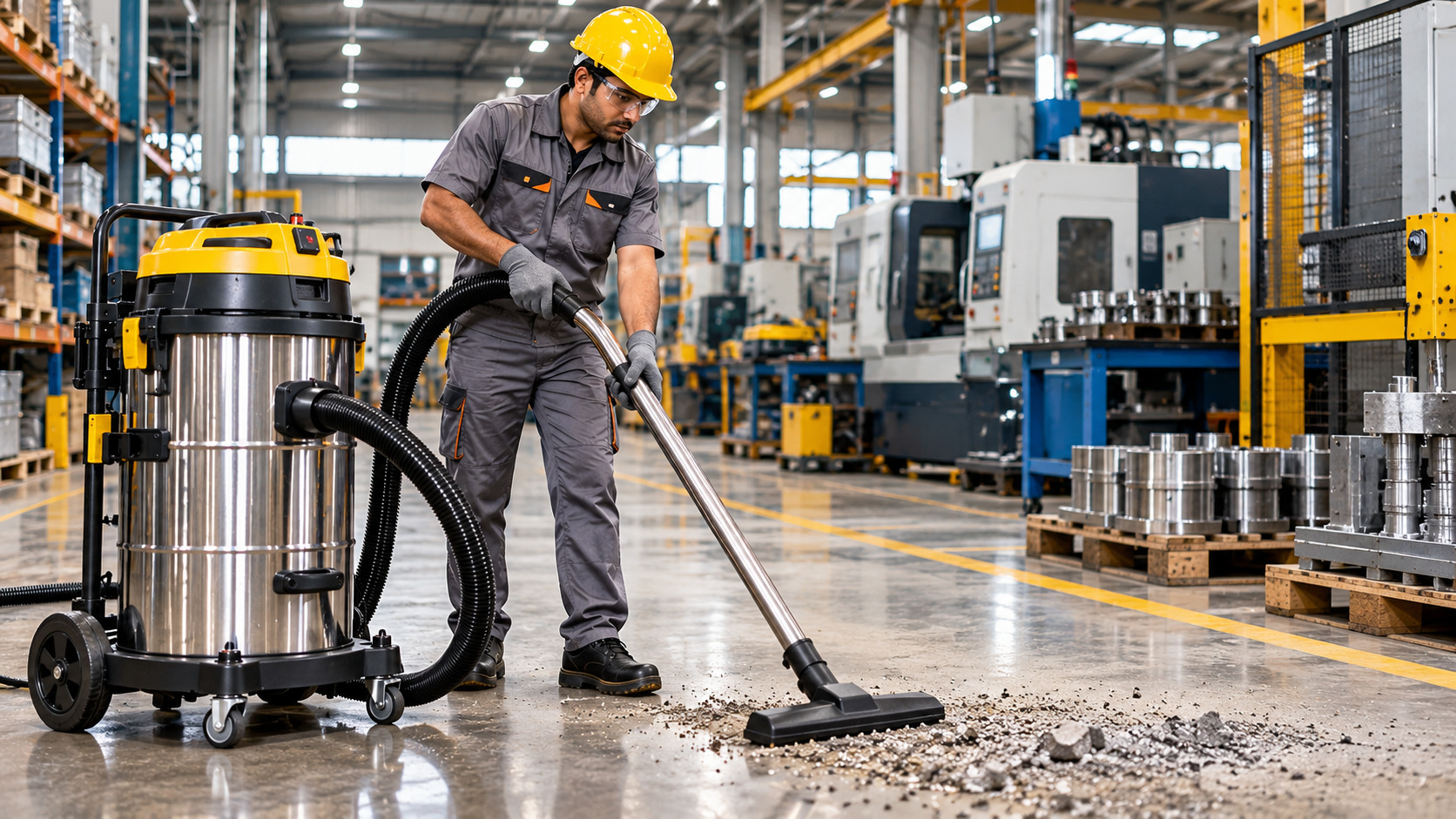
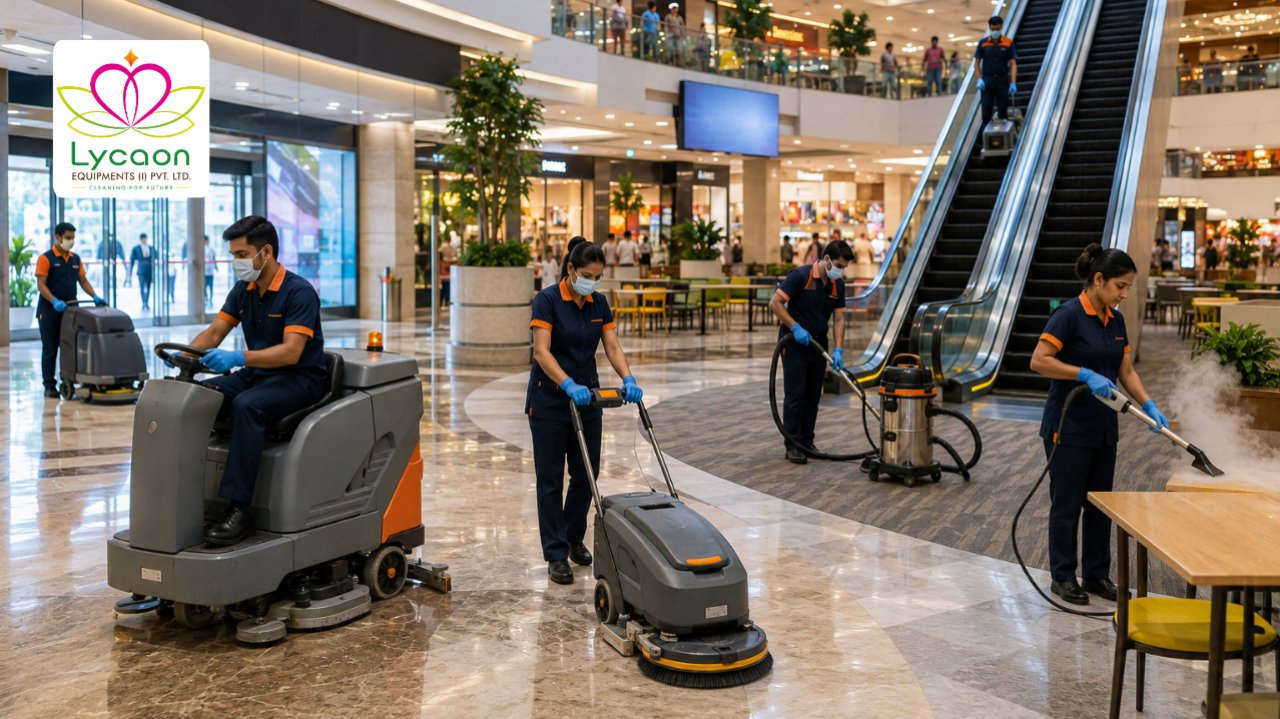
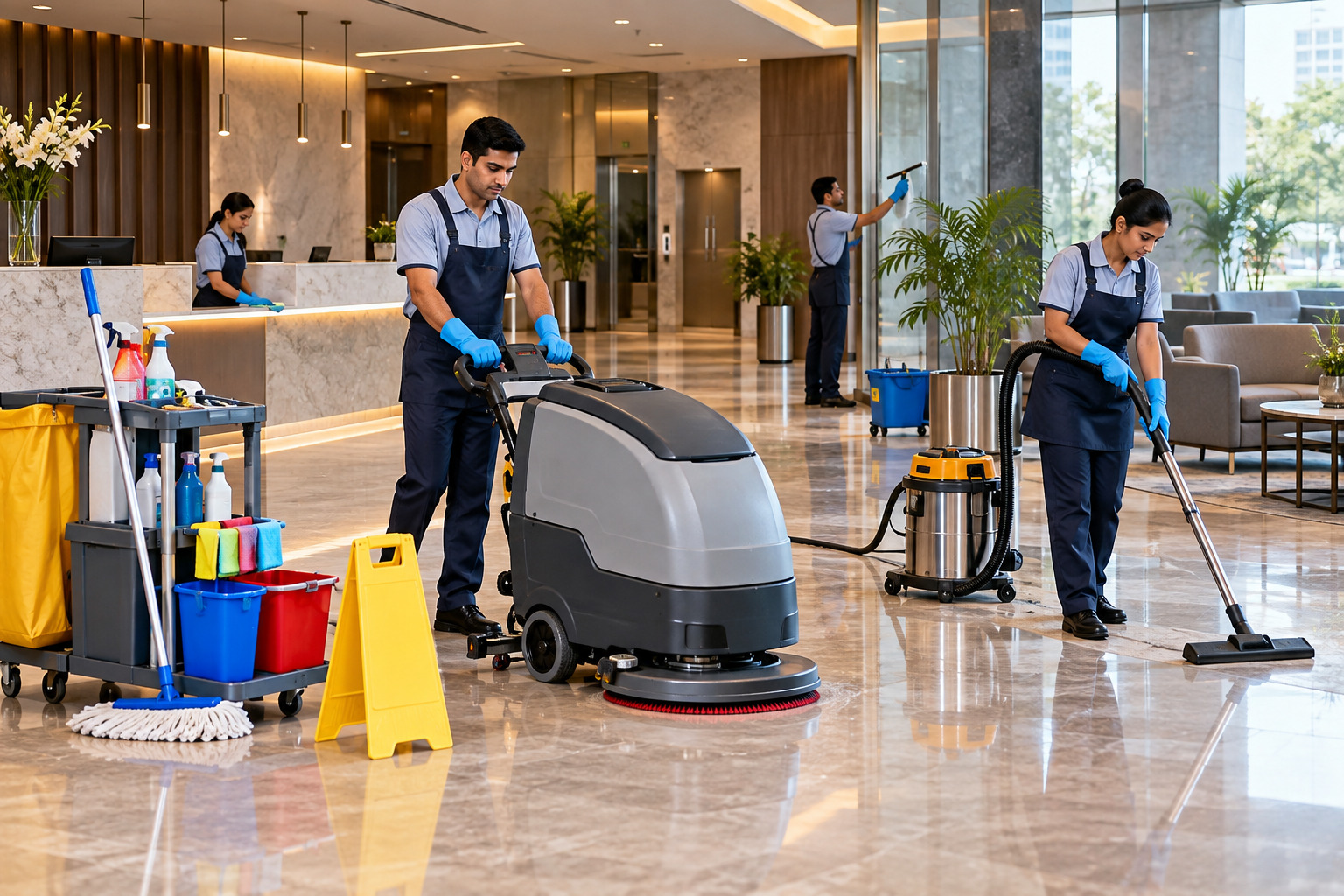
Floor cleaning is one of the most important housekeeping activities. Depending on the type and size of the facility, essential equipment may include microfiber mops, wet and dry vacuum cleaners, single-disc floor scrubbers, scrubber dryers, floor polishers and manual sweeping equipment.
For large commercial properties, mechanized floor cleaning machines can help reduce cleaning time while delivering better and more consistent results.
2. Vacuum Cleaning Equipment
Professional vacuum cleaners are essential for removing dust, dirt and debris from carpets, floors, upholstery and hard-to-reach areas. Facilities may require wet & dry vacuum cleaners, backpack vacuums, carpet vacuum cleaners and specialized machines depending on their cleaning requirements.
3. Dusting & Surface Cleaning Tools
Microfiber cloths, dusters, spray bottles, window cleaning tools, extension poles and surface cleaning accessories should be part of every housekeeping team’s inventory. Microfiber products are particularly useful for removing dust while minimizing surface damage.
4. Washroom Cleaning Equipment
Maintaining washroom hygiene requires dedicated equipment such as toilet cleaning brushes, floor squeegees, microfiber cloths, wet mops, pressure cleaning equipment and appropriate cleaning accessories. Proper segregation of washroom cleaning tools is also important to maintain hygiene.
5. Glass & Facade Cleaning Equipment
For offices, malls, hotels and commercial buildings, glass cleaning equipment is essential. Window squeegees, applicators, extension poles, water-fed poles and other specialized tools can help housekeeping teams maintain clean and presentable glass surfaces.
6. Safety & Support Equipment
Housekeeping equipment should always be supported by appropriate safety accessories. Warning signs, wet-floor boards, gloves, masks, protective footwear, cleaning carts and waste collection bins help create a safer and more organized cleaning operation.
Why a Housekeeping Equipment Checklist Matters
A professional checklist allows facility managers to monitor equipment availability, identify damaged or missing items, schedule preventive maintenance and control replacement costs. It also helps housekeeping supervisors allocate equipment according to the requirements of different areas.
Conclusion
The right professional housekeeping equipment can make cleaning operations faster, safer and more effective. However, equipment selection should depend on the facility size, floor type, cleaning frequency, manpower and hygiene requirements.
For businesses looking to maintain high standards of cleanliness, partnering with a professional facility management and housekeeping service provider can provide trained manpower, appropriate equipment and systematic cleaning processes under one integrated solution.